
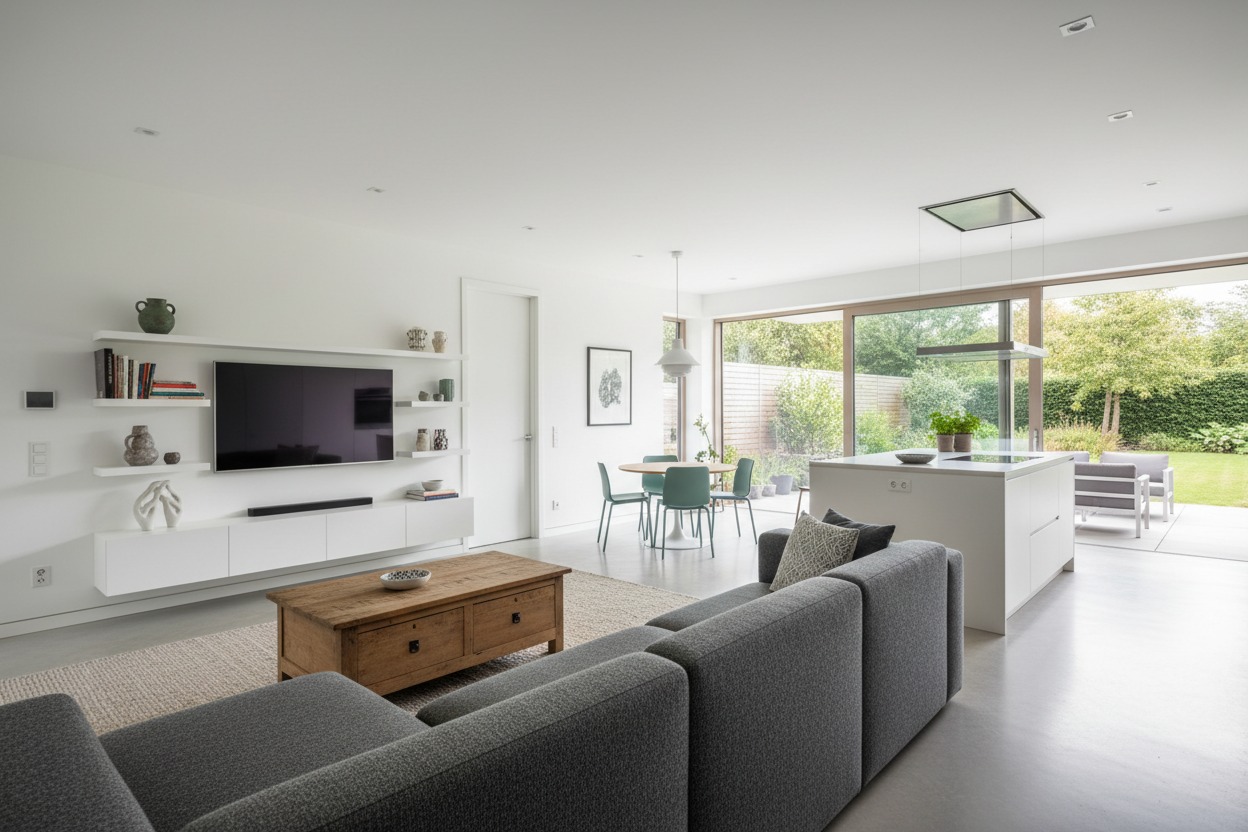
The Importance of Functional Home Design
When it comes to creating a living space, aesthetics often take center stage. Beautiful colours, stylish furniture, and trendy decor can make a house look inviting and modern. However, beyond appearances lies a crucial aspect that can greatly impact your daily life: functional home design. Functional design focuses on how a space works for you, ensuring that your home is not only beautiful but also practical, comfortable, and efficient.

Maximizing Space Utilization
One of the primary benefits of functional home design is the efficient use of available space. Thoughtful planning allows every square foot to serve a purpose, minimizing clutter and making rooms feel larger and more open. For example, built-in storage solutions and multi-purpose furniture can help keep things organized without sacrificing style.
Enhancing Comfort and Convenience
A well-designed home caters to the needs of its occupants. This means arranging rooms and furniture in a way that supports daily activities effortlessly. Imagine a kitchen designed with the work triangle principle—placing the stove, sink, and refrigerator within easy reach—making cooking less of a chore. Similarly, positioning seating areas to maximize natural light improves comfort and mood.
Promoting Safety and Accessibility
Functional design also prioritizes safety and accessibility. This includes clear pathways free of obstacles, adequate lighting, and the use of non-slip materials. For families with young children or elderly members, features like rounded furniture edges and grab bars in bathrooms can prevent accidents. Universal design principles ensure that homes accommodate people of all ages and abilities.
Supporting Sustainability
A functional home often aligns with sustainable living practices. Incorporating energy-efficient appliances, proper insulation, and smart home technology reduces energy consumption and lowers utility bills. Thoughtful window placement can enhance natural ventilation and lighting, decreasing reliance on artificial sources and creating a healthier indoor environment.
Improving Mental Well-being
The way a home is designed can influence mental health. Cluttered, poorly organized spaces can cause stress and hinder relaxation. Conversely, a functional layout promotes order and calm, making it easier to unwind and focus. Spaces dedicated to hobbies, exercise, or quiet reflection contribute positively to emotional well-being.
Conclusion
While style and decoration are important, functional home design forms the foundation of a comfortable, safe, and enjoyable living environment. By prioritizing usability, efficiency, and accessibility, you create a space that supports your lifestyle and enhances your quality of life. Whether you’re building a new home or renovating an existing one, investing in functional design is a decision that pays off every day.
If you are planning a renovation, custom home, or building project,
Professional design planning can help ensure your project moves forward smoothly.
Do you want to start and need assistance with the process? We have a roadmap that can help you. Just click the link below: